Traditional and Modern Floral Designs for Ceremony Decor
Table Of Contents
Incorporating Texture and Colour
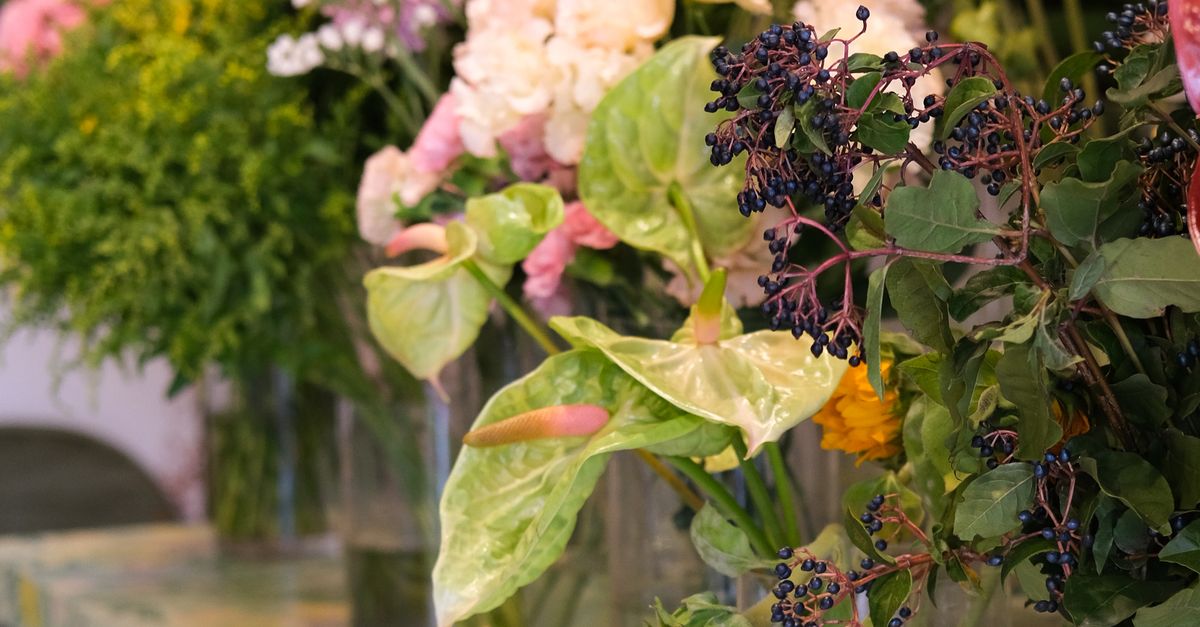
Combining different textures can elevate a floral arrangement beyond mere aesthetics. Smooth, glossy petals paired with rough, natural stems can create a tactile experience that draws the eye. Incorporating elements like feathers, wood, or even metallic accents adds depth and intrigue. This interplay of textures can transform basic arrangements into stunning focal points.
The selection of colours plays an equally significant role in defining the mood of a floral display. A harmonious palette can evoke feelings of serenity, passion, or joy. Bright, bold hues invigorate the atmosphere, while soft pastels can create a more romantic vibe. Understanding how to balance these elements allows for designs that resonate with personal style and the essence of the ceremony.
The Role of Palette in Floral Arrangements
The choice of colour palette significantly influences the mood and visual impact of floral arrangements. Different hues evoke various emotions; soft pastels often create a romantic atmosphere, while bold, vibrant colours can add energy to the setting. A cohesive palette enhances the overall aesthetic, ensuring that the flowers harmonise with other decor elements. Careful consideration of colour combinations also plays a role in guiding guests' emotional responses, making it essential to align the selection with the theme and intention of the event.
When crafting arrangements, incorporating shades that complement the venue's colours can create a seamless integration between the floral displays and the surrounding environment. Seasonal palettes also bring forth naturally occurring colours, enhancing the authenticity of the design. By selecting flowers that align with the desired colour scheme, designers can achieve a striking visual impact that remains relevant to the specific time of year, ensuring floral arrangements contribute to the overall atmosphere of the ceremony.
Seasonal Considerations for Floral Design
When planning floral designs for ceremonies, it is crucial to consider the seasonal availability of flowers. Each season brings a unique selection, offering a diverse range of colours and textures. Spring boasts an array of vibrant blooms like tulips and peonies, while summer provides lush garden roses and sunflowers. In contrast, autumn features warm-hued dahlias and chrysanthemums, and winter can deliver elegant amaryllis and seasonal evergreens. Understanding which flowers flourish during different times of the year allows for arrangements that are not only beautiful but also sustainable.
Floral design heavily relies on the natural rhythms of the seasons. This connection enhances the overall aesthetic and mood of the event. For instance, incorporating seasonal blooms can evoke emotions tied to specific times of the year, creating a deeper resonance with the audience. Beyond aesthetics, choosing locally sourced flowers contributes to sustainability efforts and supports local growers. A thoughtful approach to seasonal floral design ensures that each arrangement honours the time of year while celebrating the unique beauty of the chosen flowers.
Choosing Flowers Based on Availability
When planning floral arrangements, understanding seasonal availability can significantly enhance the final outcome. Different flowers bloom at various times throughout the year, which can impact both aesthetics and budget. By selecting flowers that are in season, decorators can not only ensure freshness but also enjoy rich colours and vibrant choices that resonate with the surrounding environment. Seasonal blooms often have a lower carbon footprint, contributing to a more sustainable design approach.
Incorporating local flowers whenever possible also supports community growers and reduces transportation costs. This strategy can open up a wealth of unique, regional varieties that add character and charm to arrangements. Engaging with local florists or researching growers can lead to surprising options that align well with specific themes or colour palettes, enhancing the overall design without compromising on quality.
Personalisation in Modern Floral Designs
Personal touches in floral arrangements can transform a ceremony into a unique, memorable event. Couples often seek ways to reflect their individual story through the flowers chosen. Incorporating elements like personal favourite blooms, meaningful colour choices, or even flowers that represent significant moments in their relationship allows for a deeper connection. Additionally, custom-designed arrangements can highlight cultural backgrounds, making the decor not just visually appealing but also rich in meaning.
Modern floral design also embraces innovative techniques that go beyond traditional vase arrangements. Using unconventional vessels, such as antique crates or geometric shapes, can add character while also showcasing the selected blooms. Elements like dried flowers or foliage often complement fresh blooms, providing texture and depth. Customisation can extend to the overall display, including lighting and accompanying decor, creating a cohesive look that truly echoes the couple's vision.
Tailoring Arrangements to Reflect Individual Style
Floral arrangements offer a unique opportunity for individuals to express their personal taste and celebrate their individuality. Incorporating specific flowers that hold sentimental value can create a powerful connection to the occasion. The choice of colours and textures plays a pivotal role, allowing couples to evoke particular emotions or themes. For instance, soft pastels may convey romance, whereas bold hues could reflect a more vibrant, energetic vibe.
Beyond flower selection, the overall arrangement design can reflect personal style. Opting for asymmetrical layouts or geometric shapes can appeal to those who favour modern aesthetics, while traditional bouquets may resonate with lovers of classic elegance. Adding personal touches, such as heirloom vases or themed elements, allows the display to become a true reflection of the couple’s journey. Adjustments to size and scale can further enhance the visual impact, making every arrangement a distinctive creation.
FAQS
What are the key differences between traditional and modern floral designs?
Traditional floral designs often emphasise classic shapes, symmetry, and a specific colour palette, while modern floral designs focus on unique arrangements, asymmetry, and a broader use of colours and textures.
How can I choose the right colour palette for my floral arrangements?
Consider the overall theme of your ceremony, the season, and personal preferences. Using a colour wheel can help you select complementary or contrasting colours to create a harmonious look.
What types of flowers are available during different seasons?
Seasonal flowers vary by region, but generally, spring offers tulips and daffodils, summer features sunflowers and dahlias, autumn includes chrysanthemums and asters, and winter has poinsettias and amaryllis.
How can I personalise my floral arrangements for my ceremony?
You can personalise floral arrangements by selecting flowers that have special meanings, incorporating favourite colours, or adding unique elements like personal mementos or specific styles that reflect your personality.
Are there any tips for incorporating texture into floral designs?
Yes! Mixing different types of flowers, greenery, and additional elements like branches or ribbons can create depth and interest in your arrangements. Consider varying the shapes and sizes of the flowers as well.
Related Links
Incorporating Greenery for a Lush Wedding CeremonyRustic Wedding Ceremony Decor with Seasonal Flowers
Designing Floral Canopies for a Romantic Vibe
Incorporating Local Flora in Wedding Ceremonies
DIY Ceremony Flower Ideas for Budget-Conscious Couples
Seasonal Themes for Ceremony Floral Arrangements
Unique Flower Choices for Outdoor Ceremony Decor
Elegant Floral Arches for Newcastle Wedding Ceremonies