The Importance of Sustainability in Summer Floristry
Table Of Contents
Water Conservation in Floristry
Water plays a crucial role in floristry, impacting not just flower quality but also ecological health. In summer, the demand for water intensifies due to higher temperatures and plant transpiration rates. Florists can adopt practices that conserve water while maintaining floral vitality. Techniques such as grouping flowers based on their water needs and using moisture-retaining materials in arrangements can significantly reduce overall water use.
Efficient irrigation systems also play a significant role in water conservation efforts. Drip irrigation or sub-surface systems direct water precisely to the roots, minimising wastage and runoff. Additionally, florists can collect and reuse water from flower stems or excess water from flower buckets. Implementing these methods not only promotes environmental sustainability but also can lead to cost savings for floristry businesses in the long term.
Techniques for Sustainable Water Use
Incorporating rainwater harvesting systems into floristry practices can significantly reduce reliance on municipal water supplies. Collecting rainwater from roofs and directing it to storage tanks allows florists to utilise this natural resource effectively. This approach not only conserves water but also lowers operational costs.
Another viable method is employing water-efficient irrigation techniques such as drip irrigation. This system delivers water directly to the plant roots, minimising evaporation and runoff. By controlling water distribution, florists can ensure that plants receive the precise amount needed for optimal growth. Implementing these strategies promotes a sustainable approach to floral care while supporting environmental conservation efforts.
The Use of Biodegradable Materials
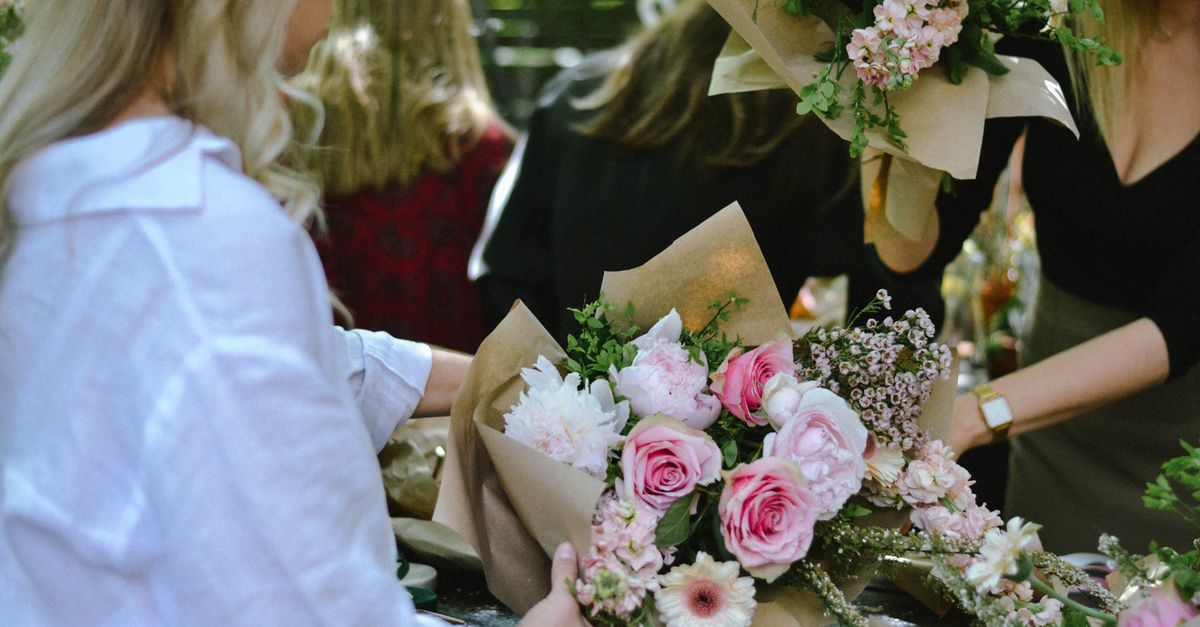
The rise of eco-consciousness has prompted florists to explore alternatives that minimise environmental impact. Biodegradable materials, such as paper, cardboard, and natural fibres, serve as effective substitutes for traditional plastic. These options break down naturally, reducing waste in landfills and minimising harm to wildlife. Additionally, incorporating such materials can enhance the aesthetic appeal of floral arrangements, providing a rustic charm while promoting sustainability.
Innovative designs often utilise biodegradable foam and plant-based preservatives, further aligning with green practices. These materials not only maintain the longevity of flowers but also appeal to environmentally aware consumers. By adopting biodegradable options, florists contribute to a broader movement towards ecological responsibility, showcasing their commitment to preserving both beauty and nature.
Alternatives to Plastic in Flower Arrangements
Floral designers are increasingly exploring natural and biodegradable materials to replace plastic in their arrangements. Items such as bamboo, wicker, and biodegradable foam offer sustainable support for blooms while maintaining aesthetic appeal. These alternatives not only enhance the beauty of the arrangements but also contribute to a reduced environmental footprint. As the industry evolves, many florists are turning to locally sourced materials, promoting not just sustainability but also community engagement.
Incorporating natural fibres like jute and hemp for securing stems is another effective way to diminish plastic usage. Moreover, using natural dyes for any decorative elements adds an organic touch. Transitioning to these alternatives requires a shift in mindset and a commitment to environmental responsibility. The fresh scents and textures from these materials elevate floral creations, attracting support from eco-conscious customers and reinforcing a collective commitment to a sustainable future in floristry.
Educating Consumers on Sustainability
Increasing consumer awareness of sustainability in floristry can lead to more conscious purchasing decisions. Informative workshops, social media campaigns, and community events can provide valuable insights into the environmental impact of floral choices. Educating customers about the benefits of locally sourced flowers, seasonal blooms, and sustainable practices fosters a deeper understanding of how their choices affect the ecosystem. The more consumers know, the more likely they are to support florists committed to environmentally friendly methods.
Promoting sustainable practices also means addressing common misconceptions about flower care and handling. By clarifying how biodegradable materials and water conservation techniques can enhance both floral preservation and environmental health, florists can empower customers to make informed decisions. This knowledge can transform the shopping experience into one that appreciates the beauty of flowers while respecting natural resources. Engaging the community in discussions about sustainability can plant the seeds for more responsible floristry and encourage a collective effort towards greener practices.
Spreading Awareness in the Community
Community engagement plays a pivotal role in fostering sustainability within the floral industry. Local workshops and events can serve as platforms for florists to demonstrate eco-friendly practices and share their knowledge about sustainable sourcing and arrangement techniques. Inviting community members to participate in hands-on sessions allows for a deeper understanding of the benefits of choosing seasonal blooms and biodegradable materials. This interactive approach encourages individuals to shift their purchasing habits towards more environmentally responsible choices.
Additionally, collaborating with schools and local organisations can amplify the reach of sustainability messages. Educational programmes that incorporate floristry can enhance awareness among younger generations, instilling values of environmental stewardship from an early age. By fostering connections with local businesses, florists can create a ripple effect, where sustainable practices become part of the community’s identity. Public campaigns that highlight the positive impact of sustainable floristry contribute not only to the environment but also to a stronger, more interconnected community.
FAQS
Why is sustainability important in summer floristry?
Sustainability is crucial in summer floristry as it helps reduce environmental impact, conserves water, and promotes the use of eco-friendly materials, ensuring that floristry practices contribute positively to the ecosystem.
What are some effective techniques for water conservation in floristry?
Effective techniques for water conservation in floristry include using water-retentive materials, implementing drip irrigation systems, and regularly checking and maintaining water sources to minimise waste.
What are biodegradable materials, and why are they used in floristry?
Biodegradable materials are those that can decompose naturally over time, reducing waste in landfills. In floristry, they are used to replace traditional plastic products, promoting a more sustainable approach to flower arrangements.
What are some alternatives to plastic that can be used in flower arrangements?
Alternatives to plastic in flower arrangements include materials such as bamboo, recycled paper, glass, and metal, as well as compostable floristry foam and natural twine, which offer eco-friendly options for decorative purposes.
How can consumers be educated about sustainability in floristry?
Consumers can be educated about sustainability in floristry through community workshops, social media campaigns, and informative materials provided by florists, which highlight the environmental benefits of choosing sustainable practices and products.
Related Links
Choosing the Right Summer Flowers for Outdoor WeddingsBest Summer Blooms for Your Newcastle Garden
Exploring the Fragrance of Summer Flowers in Newcastle
Summer Flower Care Tips for Long-Lasting Arrangements
Unique Floral Combinations for a Summer Celebration