The Art of Layering Textures in Table Floral Arrangements
Table Of Contents
Seasonal Considerations
When planning floral arrangements, the changing seasons provide a wealth of inspiration. Spring bursts forth with vibrant blooms like tulips and daffodils, inviting playful layering with softer textures like moss or delicate foliage. In contrast, autumn offers rich, warm hues through foliage and dried elements such as seed pods and berries, allowing for a different approach that emphasises depth and a rustic charm.
Winter arrangements present unique challenges and opportunities for texture. Here, evergreen branches introduce a sturdy, crisp element that contrasts beautifully with the softness of delicate flowers such as hellebores or even the starkness of bare branches. Summer encourages a lively mix of colours and bold textures, including succulents that bring an unexpected twist to traditional arrangements. Each season brings its own palette, inspiring creativity in floral design.
Adapting Texture Choices Throughout the Year
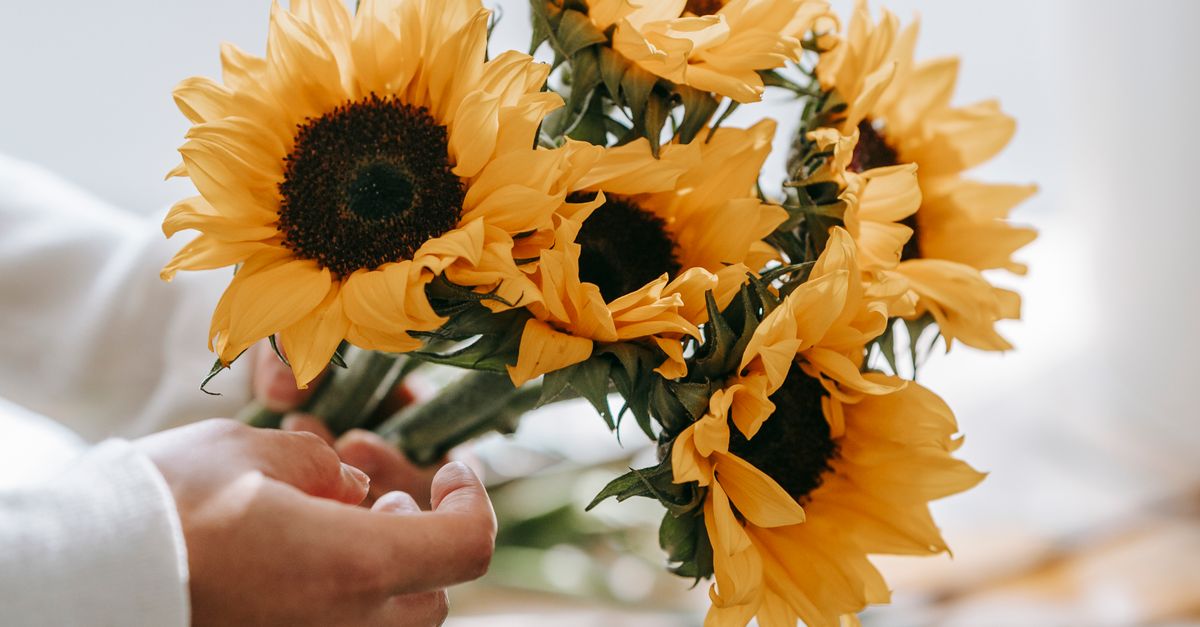
The changing seasons bring a variety of textures that can enhance floral arrangements. In spring, soft blossoms like peonies and tulips can be complemented with delicate foliage such as ferns or even soft moss, creating a light and airy feel. In summer, bolder textures like sunflowers or dahlias paired with rugged elements like branches or sand can evoke a vibrant outdoor setting. Autumn introduces richer hues and textures like dried grasses and seasonal berries, while winter often leans towards the sleek elegance of pine needles and glossy ribbons.
Alterations in texture also encourage creativity in pairing different materials. Each season provides opportunities to explore contrasting elements; for instance, combining the roughness of twigs with the smoothness of shiny ornaments can deliver a visually captivating result. It’s vital to consider how each texture interacts with the other, allowing for layering that highlights the natural beauty of the flowers. Embracing seasonal changes not only enriches the overall aesthetic but also reflects the ever-evolving character of nature itself.
Colour and Texture Interaction
The relationship between colour and texture plays a vital role in floral arrangements. Vivid colours often enhance the perceived texture of the materials used, creating a more dynamic visual experience. For instance, bold hues can make smooth surfaces appear more striking, while soft tones can amplify the subtle qualities of textured elements. Combining glossy petals with matte foliage highlights these effects, leading to a richer, more engaging arrangement.
Different shades can significantly alter how textures are perceived, impacting the overall harmony of the composition. Darker tones tend to absorb light, often making surfaces appear denser and more substantial. Conversely, lighter shades reflect light, giving an airiness to the arrangement that can enhance delicate textures. Strategically selecting colours in relation to the textures present allows for a nuanced interplay, inviting viewers to explore the arrangement more closely.
How Different Shades Affect Perceived Texture
The interplay between colour and texture can significantly transform the visual impact of floral arrangements. Light colours tend to create a perception of softness and gentleness, often making textures such as silk petals or smooth leaves appear more pronounced. Conversely, darker shades amplify depth and can imbue a more tactile quality to rougher textures, such as bark or thorny elements. These nuances influence how we perceive arrangements, dictating the emotional response of viewers.
Moreover, the selection of colour shades can strategically highlight or diminish certain textures within the arrangement. For instance, using a vibrant hue alongside a textured element can draw attention, creating a focal point. Alternatively, soft, muted tones may allow the texture to blend subtly into the overall composition. This dynamic relationship ensures that careful consideration of colour choices enhances the layering of textures, resulting in a more cohesive and engaging floral display.
Tools and Materials for Floral Arrangement
Creating stunning floral arrangements requires a variety of tools and materials to achieve the desired textures and forms. Essential equipment includes floral foam, which provides a sturdy base for arranging stems and ensures hydration. Wire cutters and floral scissors are vital for trimming stems and shaping branches. A selection of floral tape and wire enables the secure assembly of individual elements, allowing for a more intricate design. Additionally, using a range of vases and containers can enhance the overall presentation, as their shapes and materials can add depth to the arrangement.
Choosing the right materials also plays a crucial role in achieving texture. Fresh flowers should be complemented by foliage, branches, and other natural elements to create contrast and interest. Synthetic materials like silk flowers or preserved moss can provide longevity and stability, particularly in arrangements intended for display over an extended period. Considering the interplay of these materials not only enhances the aesthetic appeal but also contributes to the structural integrity of the arrangement, enabling a diverse layering of textures that captivates the eye.
Essential Equipment for Layering Techniques
Having the right tools can significantly enhance the process of creating layered floral arrangements. Scissors and floral shears are essential for precise cuts, allowing for cleaner and more controlled shaping of each stem. A sturdy pair of tweezers can be beneficial for adjusting smaller elements without disturbing the overall composition. Additionally, floral tape and wire are indispensable for securing stems and adding structure to the arrangement. A sturdy floral foam base can help keep blooms in place, enabling the designer to build layers and adjust the composition as desired.
Different container types can also influence the layering process. Consideration should be given to the shape and size of the vessel, which can dictate how textures are applied. Shallow bowls may lend themselves better to spreading out foliage, while tall vases create opportunities for vertical layering. Furthermore, having an assortment of options, such as glass, ceramic, or even terracotta, opens new avenues for integrating texture and colour, enriching the overall visual appeal of the arrangement.
FAQS
What are some seasonal flowers to consider for layering textures in arrangements?
Seasonal flowers vary by region, but popular choices often include tulips in spring, sunflowers in summer, dahlias in autumn, and holly in winter. Selecting flowers that bloom in your specific season can enhance the overall texture and aesthetic of your arrangements.
How can colour influence the perception of texture in floral arrangements?
Colour can significantly affect how we perceive texture. Lighter shades may enhance a soft, delicate feel, while darker hues can create a more robust and bold appearance. Combining different shades can also add depth and dimension to the arrangement.
What essential tools do I need for effective layering in floral arrangements?
Essential tools for layering textures include sharp floral scissors, a floral foam block for stability, wire cutters, and various types of vases. Additionally, using a range of materials like ribbons or decorative stones can further enhance the texture of your arrangement.
Can I use artificial flowers for layering textures in my arrangements?
Yes, artificial flowers can be a great option for layering textures. They come in a variety of colours and styles and can be mixed with natural elements for a unique look. Just ensure that the artificial flowers blend well with any natural materials you choose to incorporate.
How can I learn more about floral arrangement techniques?
To learn more about floral arrangement techniques, consider attending workshops or classes offered by local florists, watching online tutorials, or reading books focused on floral design. Practicing your skills regularly will also help you develop your own style.
Related Links
Budget-Friendly Centrepiece Ideas for WeddingsDesigning Centrepieces that Match Your Event Theme
Sophisticated Centrepieces for Elegant Dinner Parties
Incorporating Native Australian Flowers in Table Decor
How to Choose the Right Vessel for Your Centrepiece